
 3 months ago
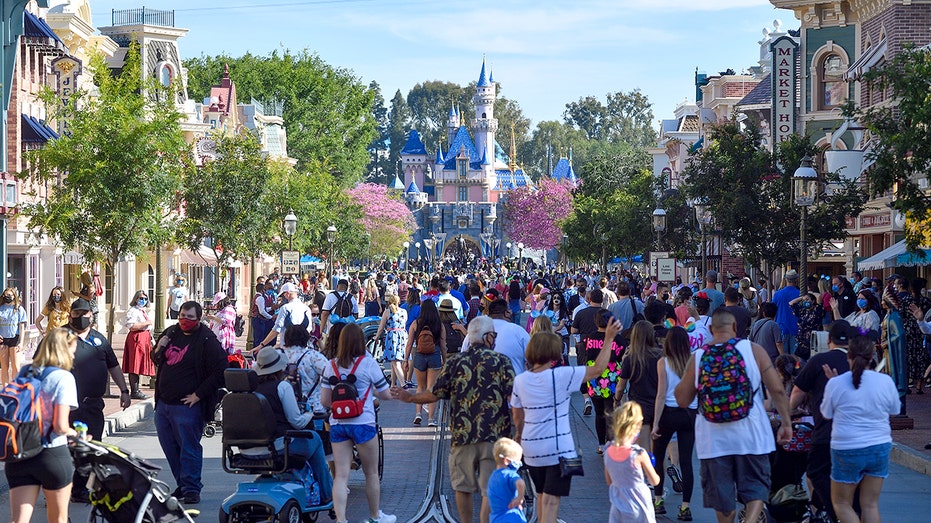
You walk up to the entrance at Disneyland or Disney California Adventure, tickets in hand, kids already pulling you forward. You scan in, and for a split second, a camera looks right back at you. It happens so fast you barely notice.
For most people, it feels no different than tapping a phone or scanning a ticket. Just another step to get inside. But that quick moment is doing more than you might think.
Facial recognition is now part of the experience at Disney parks. You probably just keep moving. Most of us do. But that split-second scan comes with tradeoffs worth knowing about.
Sign up for my FREE CyberGuy Report
BIOMETRIC IRIS SCANNING LAUNCHES IN US CITIES FOR DIGITAL IDENTITY
At the gate, a photo of your face is captured and converted into unique numerical values. Those values are then compared to the image captured when you first used your ticket or pass. When you leave and return, the system checks your face against that stored data to confirm it is still you. Instead of repeatedly checking IDs or scanning barcodes, the system confirms that you are the same person who first used the ticket.
A Disneyland official confirmed to CyberGuy that facial recognition technology is available at certain entry gates as part of the company's ongoing investment in the guest experience. The goal, they said, is to improve the arrival experience, including making re-entry easier and helping prevent fraud. This is consistent with what Disney outlines in its published privacy policy.
Here are some things to keep in mind:
According to Disney's privacy policy, children under 18 may use this service with their parent or guardian's consent. Those who opt out can use entrance lanes that do not use facial recognition technology. Your image may still be taken, but it isn't processed with biometric technology. Instead, a Cast Member manually validates your ticket.
At Disney, many guests simply choose the shortest line and move on. Convenience often wins. When the choice is between waiting longer and getting in quickly, most people pick speed.
There is also a growing sense that this technology is everywhere. For many, opting out feels like it will not make a difference.
ADVANCED PASSENGER PROCESSING SYSTEM NOW CAPTURES PHOTOS BEFORE PASSPORT CHECKS
Disney is part of a wider shift toward biometric entry systems. At Dodger Stadium, fans can register through the MLB Ballpark app by uploading a selfie and enrolling in what the league calls Go-Ahead Entry, a facial authentication system that lets fans walk through designated lanes without scanning a ticket. Enrollment is optional and typically limited to fans 18 and older. The system converts facial images into a unique numerical representation tied to your account rather than storing raw photos long term.
At Intuit Dome, home of the LA Clippers, a similar facial recognition entry system is in place, according to the venue's privacy policy.
The 2028 Summer Olympics in Los Angeles have also explored optional facial recognition-based ticketing as part of their entry process, though details are still being finalized.
The appeal across all of these systems is the same: faster lines and fewer headaches. The bigger question remains what happens to the data behind the scenes.
Your face isn't like a password. You cannot reset it. That is why groups like the American Civil Liberties Union and the Electronic Frontier Foundation have raised red flags. Here are the main concerns:
If biometric data is exposed, it cannot be changed. That makes it more valuable to attackers.
Research shows facial recognition systems can be less accurate for some groups, including women and people with darker skin tones.
Information collected for entry today could be used differently later, including potential access by law enforcement.
Disney says it uses technical, administrative and physical safeguards to protect guest data, but also notes that no security system is fully impenetrable. Even with policies in place, the long-term impact is still unclear.
HOW TO OPT OUT OF AI DATA COLLECTION IN POPULAR APPS
If you are visiting a theme park, stadium or large venue, facial recognition may already be part of your experience.
Here is how to approach it:
What stands out most is how easy it is to miss. The facial recognition scan happens quickly, and before you know it, you are already through the gate.
Take my quiz: How safe is your online security?
Think your devices and data are truly protected? Take this quick quiz to see where your digital habits stand. From passwords to Wi-Fi settings, you’ll get a personalized breakdown of what you’re doing right and what needs improvement. Take my Quiz here: CyberGuy.com.
Facial recognition at theme parks is no longer a test. It is already part of the experience. Disney frames it as a way to move people through the gates faster and cut down on fraud. Privacy advocates see something bigger, a shift toward being identified every time you step into a public space. Both can be true. What matters is whether you know it is happening and whether you feel like you have a real choice in the moment.
If your face becomes your ticket, how much control should you have over where that information goes next? Let us know by writing to us at CyberGuy.com.
Sign up for my FREE CyberGuy Report
Copyright 2026 CyberGuy.com. All rights reserved.








 English (US)