
 6 months ago
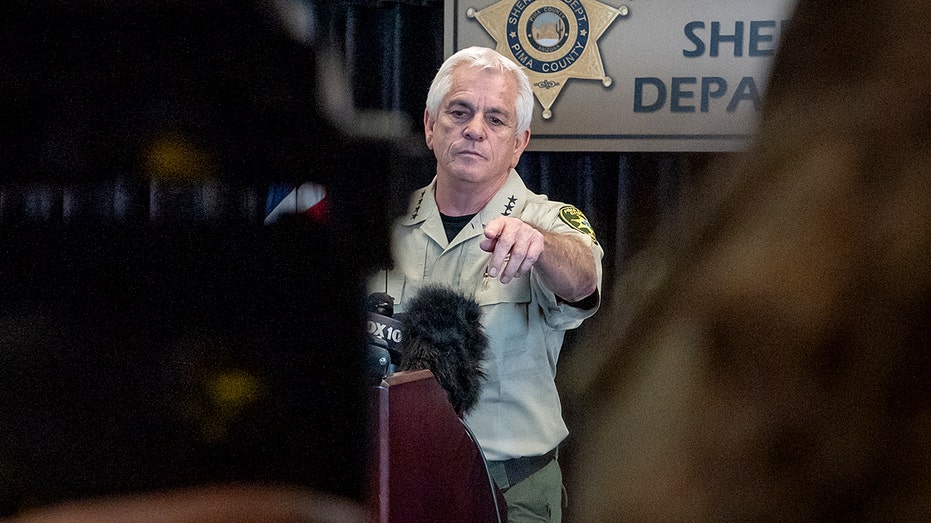
Nancy Guthrie, the 84-year-old mother of "Today" show co-anchor Savannah Guthrie, was reported missing from her home in the Catalina Foothills area near Tucson after she failed to appear for church and could not be reached by family. When deputies arrived, several things stood out. Her phone, wallet and car keys were inside the home. The daily medication she relies on was left behind. Given her age and mobility challenges, investigators said she would not have left voluntarily.
The Pima County Sheriff's Department has since stated publicly that the case is being treated as a suspected abduction, and the home was processed as a crime scene. As the search continues, investigators are piecing together not only physical evidence and witness tips, but also the digital trail left behind by everyday technology.
Sign up for my FREE CyberGuy Report
Get my best tech tips, urgent security alerts and exclusive deals delivered straight to your inbox. Plus, you’ll get instant access to my Ultimate Scam Survival Guide – free when you join my CYBERGUY.COM newsletter.
149 MILLION PASSWORDS EXPOSED IN MASSIVE CREDENTIAL LEAK
In cases like this, technology rarely delivers a single smoking gun. Instead, it helps investigators answer quieter but critical questions that shape a timeline. Investigators ask when everything still looked normal. They look for the moment when devices stopped communicating. They try to pinpoint when something changed. Phones, medical devices, cellular networks and cameras generate timestamps. Those records help narrow the window when events may have taken a dangerous turn.
YOUR PHONE SHARES DATA AT NIGHT: HERE'S HOW TO STOP IT
Behind the scenes, investigators rely on advanced analytical systems to connect information from multiple sources and jurisdictions. In Tucson and across Pima County, law enforcement agencies use artificial intelligence-assisted crime analysis platforms such as COPLINK, which allows data sharing with at least 19 other police departments across Arizona. These systems help investigators cross-reference tips, reports, vehicle data and digital evidence more quickly than manual searches.
The Pima County Sheriff's Department, Tucson Police Department and the FBI also work through real-time analytical crime centers, including Tucson's Real-Time Analytical Crime Center (TRACC). These centers allow analysts to review large volumes of data together, from phone records and license plate reads to surveillance timestamps.
This type of analysis does not replace traditional police work. It helps narrow timelines, rule out possibilities and prioritize leads as new information comes in.
iOS may retain low-level Bluetooth artifacts outside the pacemaker app. Access to this data typically requires:
Bluetooth artifacts cannot determine distance. They cannot show that two devices were a few feet apart. What they can sometimes provide is timestamp correlation, confirming that a Bluetooth interaction occurred. That correlation can help align pacemaker activity with phone movement or inactivity. It is not publicly known whether Apple has been formally contacted in this case. An inquiry has been made. Apple typically does not comment on specific investigations but may confirm what categories of data could be available.
Even without medical data, the iPhone left behind may provide valuable corroboration. With proper legal access, investigators may examine:
This data can help establish whether the phone moved unexpectedly or stopped being used at a specific time. Again, the value lies in confirming timelines, not speculating motives.
Public mapping databases show dense cellular coverage in the area surrounding the Guthrie residence. There are 41 cell towers within a three-mile radius. The closest carrier towers are approximately:
Carrier records can be analyzed to identify device connections, sector handoffs and anomalous activity during the critical window between Saturday evening and Sunday morning. This analysis is complex, but it can help confirm whether a device moved or disconnected unexpectedly.
Investigators are also reviewing surveillance systems. Tucson primarily uses Verkada cameras integrated with the Fusus platform. Flock Safety cameras are used in other parts of the region, including South Tucson.
More than 200 automatic license plate readers are deployed in the broader area, allowing investigators to review historical vehicle movements during the critical time window. These systems can capture license plates, vehicle make and color, vehicle type and alerts tied to suspect vehicles.
Private sources may matter just as much. Neighbor doorbell cameras and home systems can provide important timeline markers, even if the footage is grainy. Some modern vehicles also record motion near parked cars if settings are enabled.
SUPER BOWL SCAMS SURGE IN FEBRUARY AND TARGET YOUR DATA
Technology can help protect older or vulnerable relatives, but it works best when combined with everyday habits that reduce risk.
Install smart doorbell cameras and outdoor security cameras that notify family members when someone unfamiliar appears. Alerts can matter just as much as recorded footage. Many newer systems allow AI-based person detection, which can alert you when an unknown person is seen at certain times of day or night. These alerts can be customized, so family members know when activity breaks a normal pattern, not just when motion is detected.
Emergency pendants and wearable SOS devices let someone call for help with a single press. Many newer models work outside the home and can alert caregivers if a fall is detected. Some devices also include GPS, which helps when someone becomes disoriented or leaves home unexpectedly. This remains one of the most overlooked safety tools for older adults.
If your loved one agrees, enable location sharing, emergency contacts and built-in safety features on their phone or wearable.
On smartphones, this can include:
These features work quietly in the background, allowing help to reach the right people quickly without requiring daily interaction.
Use apps, text reminders or calendar alerts that prompt regular check-ins. If a message goes unanswered, it creates a reason to follow up quickly instead of assuming everything is fine. Consistency matters more than complexity.
Some phones, wearables and home systems can detect changes in normal daily activity without requiring a button press. For example, smartphones and smartwatches can notice when movement patterns suddenly stop or change. If a device that usually moves every morning stays still for hours, that shift can trigger alerts or prompt a check-in from a caregiver. Smart home systems can also flag unusual inactivity. Motion sensors that normally register movement throughout the day may show a long gap, which can signal that something is wrong. Passive monitoring works in the background. It reduces the need for constant interaction while still creating early warning signs when routines break.
Enable smart alerts from home security systems so that family members know when doors open late at night, remain open longer than normal or when systems are armed or disarmed. Fire and smoke listener alerts and bedside panic buttons add another layer of protection, especially overnight. Car apps can also share safety signals, such as when a vehicle is unlocked, a door or window is left open or when location sharing is enabled with trusted family members.
"No single device can protect someone on its own," a law enforcement expert told CyberGuy. "What helps most is layering. A camera paired with a wearable. A phone paired with check-ins. Technology paired with human attention. Each layer adds context and reduces blind spots. Together, they create earlier warnings and faster responses when something goes wrong."
The disappearance of Nancy Guthrie is heartbreaking. It also highlights how deeply modern technology is woven into everyday life. Digital data from phones, cellular networks, and cameras can offer valuable insights, but only when used responsibly and in compliance with privacy laws. As this investigation continues, technology may help law enforcement narrow timelines and test theories, even if it cannot answer every question. In cases like this, every detail matters.
As digital footprints grow more detailed, should tech companies give law enforcement broader access when someone goes missing? Let us know by writing to us at Cyberguy.com.
Sign up for my FREE CyberGuy Report
Get my best tech tips, urgent security alerts and exclusive deals delivered straight to your inbox. Plus, you’ll get instant access to my Ultimate Scam Survival Guide – free when you join my CYBERGUY.COM newsletter.
Copyright 2026 CyberGuy.com. All rights reserved.









 English (US)