
 4 months ago
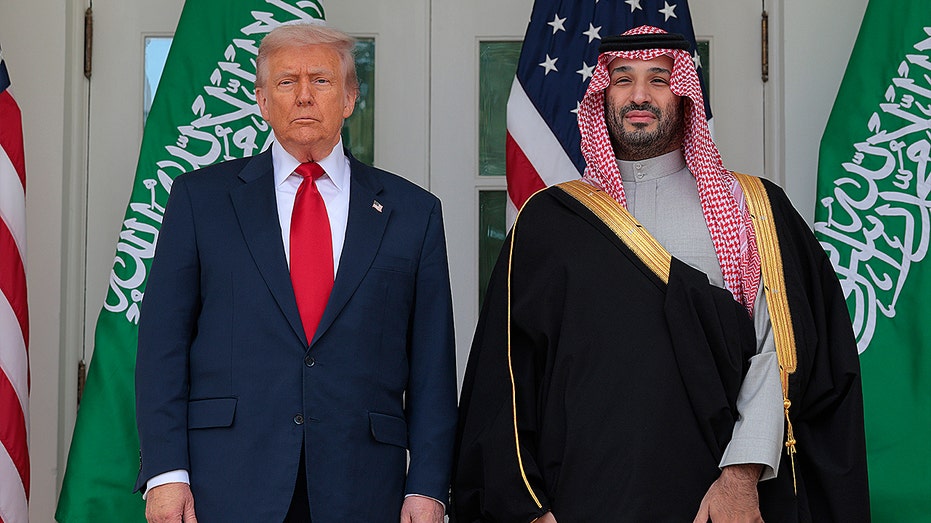
Saudi Arabia and other Gulf allies are showing signs of a quiet but consequential shift in their posture toward Iran, as escalating attacks across the region test years of careful balancing between Washington and Tehran.
For much of the past decade, countries like Saudi Arabia and the United Arab Emirates (UAE) sought to avoid direct confrontation with Iran, maintaining diplomatic and economic ties even while relying on U.S. security guarantees. But that middle ground is increasingly under strain.
That strategy was designed to keep Gulf states out of direct confrontation. But officials and analysts say Iran’s expanding attacks are narrowing the space for neutrality, pushing some Gulf states closer to Washington.
One of the clearest signs of that shift is a reported move by Saudi Arabia to grant U.S. forces access to King Fahd Air Base in Taif, a western facility not used for American combat operations since the Gulf War era.
The shift is also visible across the region. The UAE has severed diplomatic ties with Tehran, shut down Iranian-linked institutions and launched a crackdown on networks tied to the Islamic Revolutionary Guard Corps following a wave of attacks.
Bahrain, meanwhile, led efforts at the United Nations to pass a Security Council resolution condemning Iranian strikes on Gulf states, while multiple countries — including Saudi Arabia, the UAE, Qatar and Kuwait — have issued coordinated statements denouncing Iran’s actions and asserting their right to self-defense.
These Gulf states are in line with the U.S. view that Iran's missile development, uranium enrichment programs and support for regional militant groups need to be "addressed and curtailed," but remain opposed to U.S. strikes on critical infrastructure inside Iran, a Gulf official told Fox News Digital.
Qatar also has taken concrete steps in response to Iranian attacks, expelling Iranian military and security attachés and ordering them to leave the country after strikes on critical energy infrastructure. However, Qatar has stopped short of severing full diplomatic ties, maintaining its role as a mediator even as tensions rise.
The Qatari prime minister was in Washington for talks focused on defense cooperation and protecting critical energy infrastructure Thursday, an official briefed on the visit told Fox News.
King Fahd Air Base's location, deep inside Saudi territory and farther from Iran’s missile and drone reach, would offer strategic depth the U.S. has not relied on in decades. U.S. military posture in the region has long centered on more exposed bases along the Persian Gulf, including hubs in Qatar and the United Arab Emirates.
People familiar with the matter cited in Wall Street Journal reporting said Saudi Arabia greed to let American forces use the base. The Pentagon and the Saudi embassy declined to comment on the base.
Combat aircraft routinely operate "dark" with transponders off in potential combat zones, so they would not appear on civilian flight radar. Saudi Arabia's tightly controlled media environment also means there are few, if any, independent local reports of U.S. aircraft activity at King Fahd Air Base.
"Our primary concern today is to defend ourselves from the daily attacks on our people and our civilian infrastructure," the Saudi government said in a statement on its posture toward Iran. "Iran has chosen dangerous brinkmanship over serious diplomatic solutions. This harms every stakeholder involved but none more than Iran itself."
The reported basing shift is one of several signs that Gulf states are recalibrating their position as Iranian attacks escalate across the region.
While Gulf leaders are still stopping short of joining combat operations and continue to pursue diplomatic off-ramps, their actions — from expanding cooperation with U.S. forces to issuing more direct and coordinated condemnations of Iran — suggest growing frustrations with Iranian attacks on their territory.
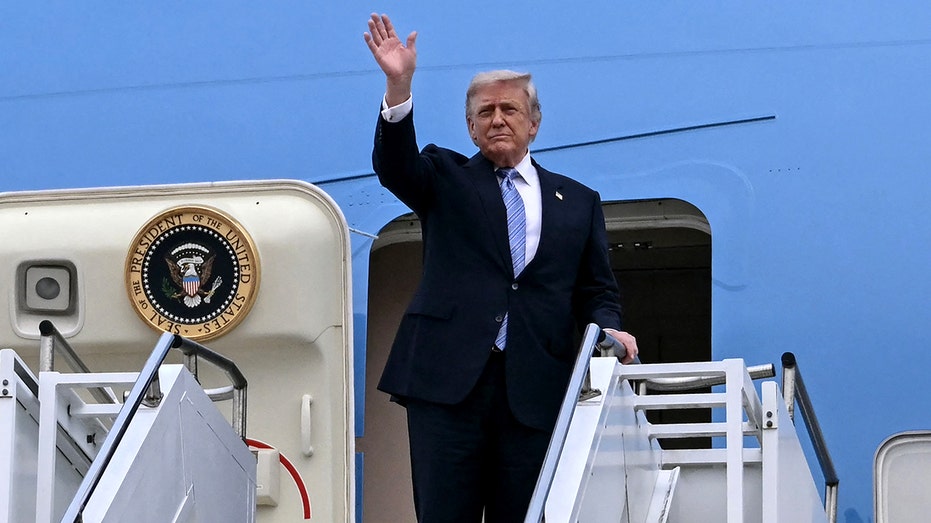
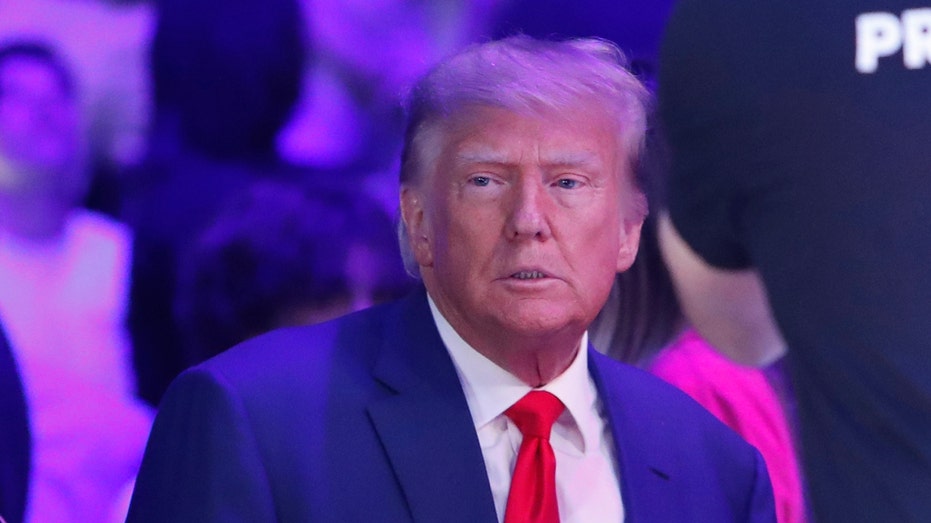
President Donald Trump said Thursday that countries across the region —including Qatar, Saudi Arabia, the United Arab Emirates, Kuwait and Oman— were "shocked" as Iranian attacks expanded beyond traditional flashpoints.
"They start shooting in Qatar, Saudi Arabia, UAE, Kuwait, Oman," he said in a Cabinet meeting. "They start shooting at them. And they were — they were. Everybody was shocked, including us. You know why? Because they're sick. And they had a plan to take over the Middle East."
Since late February, Iran has fired hundreds of missiles and drones across the Gulf, targeting countries from Saudi Arabia and the UAE to Qatar and Kuwait. Following the launch of Operation Epic Fury Feb. 28, Iran warned it would retaliate against U.S. forces and their regional partners — a threat it quickly carried out with strikes on bases and infrastructure across the region.
Years of diplomatic outreach and de-escalation efforts in Gulf capitals failed to shield them from Iranian retaliation.
Saudi Arabia signed an agreement in 2023 to restore diplomatic ties while the United Arab Emirates maintained economic channels that allowed limited commercial activity to continue.
At the same time, the steps Gulf countries have taken remain measured.
The United States already operates from bases in Saudi Arabia, including Prince Sultan Air Base, which has served as a hub for U.S. air operations and force protection in the region. But those facilities sit closer to the Gulf and are more exposed to Iranian missile and drone threats, while more interior locations like Taif provide greater depth and longer warning times against potential strikes.
"They have to be very careful even now," former Israeli Defense Forces officer and national security analyst Ehud Eilam told Fox News Digital. "They know that they would have to live with Iran after the war."
WHY GULF STATES AREN’T JOINING THE WAR AGAINST IRAN — DESPITE ATTACKS ON THEIR SOIL
"They can’t really strike back hard," said James Robbins, Institute of World Politics dean and former special assistant to Defense Secretary Donald Rumsfeld. "They’re small countries and they’re hard to defend."
Robbins added that Gulf states face a long-term dilemma, warning that even a weakened Iran would likely regroup and pose a continued threat. "Iran will come back," he said. "They will rebuild… and they will be out for revenge."
But still, analysts say, Gulf states could expand cooperation with the U.S. if they wanted to.
12 ARAB AND ISLAMIC COUNTRIES UNITE TO CONDEMN 'HEINOUS' IRANIAN ATTACKS
"They could increase the cooperation with the U.S. and Israel, as far as air defense, intelligence, cyber and so on," Eilam said.
They could also join in on a mission to reopen the Strait of Hormuz, through which 20% of the world's oil typically passes. Shipping operations through the strait have ground to a standstill due to Iranian threats at vessels that attempt to pass.
"Their best mission would be securing the Strait of Hormuz, those types of missions, with their whatever sea forces they have, Coast Guard type forces, and their air forces," he said.
Even as tensions rise, Gulf leaders have continued to pursue diplomatic off-ramps.
Saudi Arabia recently hosted regional talks aimed at exploring a potential ceasefire, underscoring that Gulf states are still seeking to contain the conflict even as they bolster their security posture.
For now, Gulf states appear to be navigating a narrowing path — moving closer to Washington as Iranian attacks mount, while stopping short of full military alignment in a conflict that could shape the region long after the fighting ends.





 English (US)