
 3 months ago
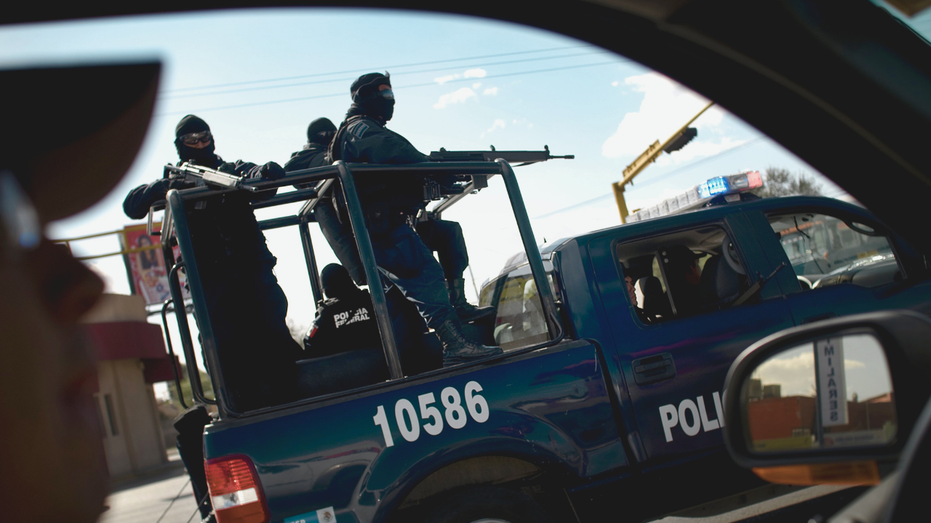
In most markets, removing a CEO rattles investors and drives prices up or down. In the global drug trade, taking down a kingpin barely moves the needle.
Over the weekend, Mexican authorities said they killed one of the world’s most prolific traffickers, Nemesio Rubén Oseguera Cervantes — better known as "El Mencho," the longtime leader of the Jalisco New Generation Cartel.
His death should represent a major disruption to the market. And yet, cartels appear to defy one of economics’ most basic assumptions.
DEATH TOLL RISES AFTER MEXICAN DRUG CARTEL LEADER KILLED IN US-BACKED OPERATION
Basic economics holds that when supply is disrupted — especially in a risky black market — scarcity drives prices higher. Increased danger should mean higher premiums. And after decades of kingpin arrests, cartel crackdowns and military operations, the cumulative effect should be visible in the data.
But drug prices remain remarkably stable.
Part of the explanation, as Tom Wainwright argues in "Narconomics: How to Run a Drug Cartel," is structural. Cartels do not function like fragile, personality-driven firms. They resemble decentralized corporations that are built to absorb shocks, replace leadership and protect distribution networks.
Remove a boss and the enterprise keeps running.
But resilience at the top is only part of the story. Cartels also exert extraordinary control over their supply chains, particularly over the farmers who grow coca, the raw ingredient used to make cocaine.
"Under normal market conditions, coca farmers would be able to shop around and sell their leaves to the highest bidder. That would mean that in times of scarcity, coca buyers raised their bids, and the price of the leaf went up," Wainwright explains.
TOURISTS TRAPPED IN PUERTO VALLARTA RECOUNT CARTEL RETALIATION AFTER EL MENCHO KILLED
In many coca-growing regions, prolonged violence has left a single trafficking group in control.
"That group is the sole local buyer of coca leaf, so it dictates the price," Wainwright said.
That dominance allows traffickers to dictate prices and insulate themselves from rising costs. "Just as big retailers protect themselves and their customers from price rises by forcing suppliers to take the hit, cartels keep their own costs down at the expense of coca farmers."
The tight grip that cartels have on the supply chain, Wainright said, means that "any worsening in coca-growing conditions simply makes poor farmers even poorer, without doing much to cut the cartels’ profits or raise the price of cocaine for consumers."
Killing a kingpin can change the leadership chart, but it does not dismantle the supply chain that keeps the market stable.








 English (US)