
 6 months ago
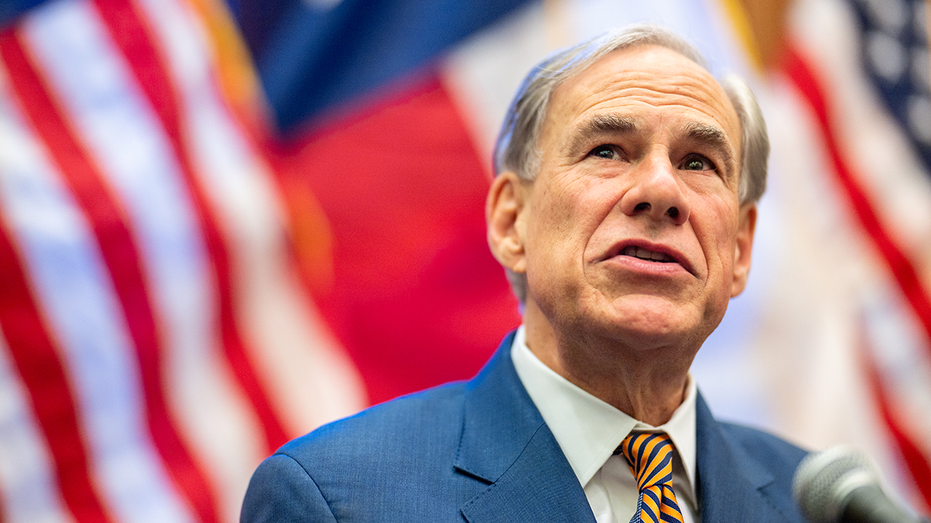
The Supreme Court signaled that Texas is likely to prevail in defending its new congressional map, faulting a lower court for misreading evidence and ignoring required legal inferences as the state races toward 2026 election deadlines.
In a brief order that keeps Governor Greg Abbott’s redrawn districts in place for now, the Court said the District Court committed two major errors – first by failing to apply the presumption of legislative good faith when considering disputed evidence, and second by declining to draw a near-dispositive inference against challengers who offered no alternative map that met Texas’s partisan goals.
The stay is temporary while the merits proceed, yet Justice Elena Kagan warned in dissent that the ruling effectively locks in the contested boundaries for the 2026 midterms because of looming state deadlines.
"This Court’s eagerness to playact a district court here has serious consequence," Kagen said. "The majority calls its ‘evaluation’ of this case ‘preliminary.’.. The results, though, will be anything but.
DOJ BACKS TEXAS IN SUPREME COURT FIGHT OVER REPUBLICAN-DRAWN MAP
"This Court’s stay guarantees that Texas’s new map, with all its enhanced partisan advantage, will govern next year’s elections for the House of Representatives. And this Court’s stay ensures that many Texas citizens, for no good reason, will be placed in electoral districts because of their race," Kagen continued. "And that result, as this Court has pronounced year in and year out, is a violation of the Constitution."
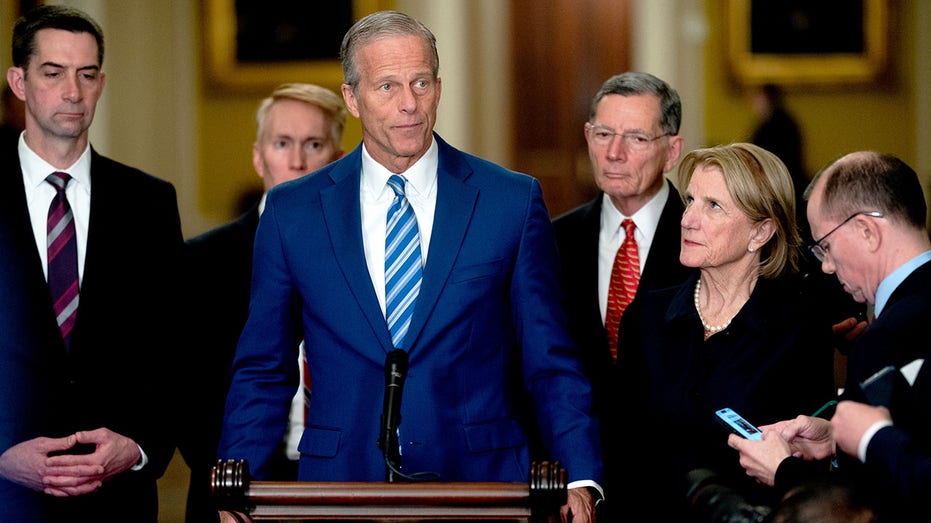
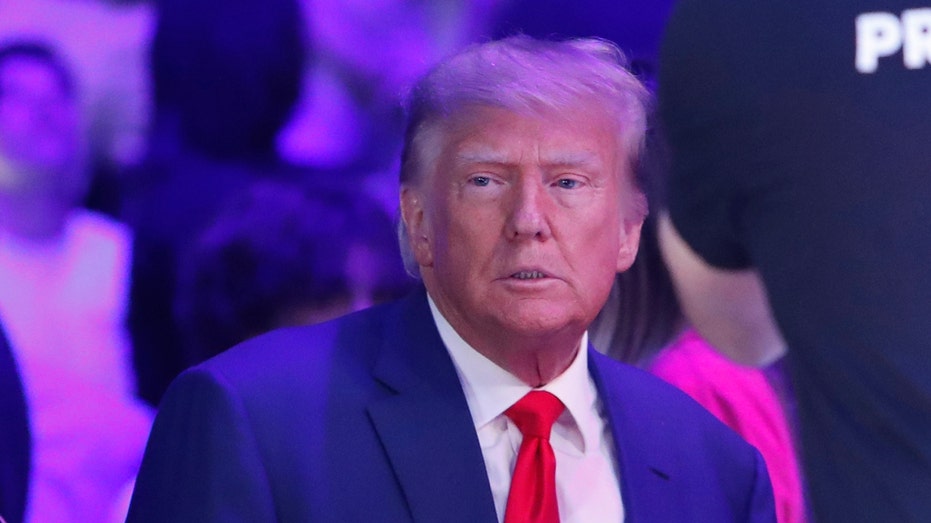
The ruling arrives amid a broader, unprecedented national redistricting battle driven by current sitting president Donald Trump’s effort to fortify the GOP House majority heading into 2026 — a campaign that began in Texas before rapidly spreading to other states.
Aiming to prevent what happened during his first term in the White House when Democrats reclaimed the House majority in the 2018 midterm elections, Trump in June first floated the idea of rare but not unheard of mid-decade congressional redistricting.
ABBOTT SIGNS TEXAS REDISTRICTING MAP INTO LAW, SECURING MAJOR GOP VICTORY AHEAD OF 2026 MIDTERMS
The mission was simple: redraw congressional district maps in red states to pad the GOP's razor-thin House majority to keep control of the chamber in the 2026 midterms, when the party in power traditionally faces political headwinds and loses seats.
Texas was Trump's first target.
A month later, when asked by reporters about his plan to add Republican-leaning House seats across the country, the president said, "Texas will be the biggest one. And that’ll be five."
Republican Gov. Greg Abbott of Texas called a special session of the GOP-dominated state legislature to pass the new map. Democratic state lawmakers broke quorum for two weeks as they fled Texas in a bid to delay the passage of the redistricting bill.
The legislature eventually passed the bill, and Abbott signed it into law in late August.
But the new map immediately faced legal challenges, and the plight of the Texas lawmakers who fled the state energized Democrats across the country.
Among those jumping into the fight against Trump's redistricting was Democratic Gov. Gavin Newsom of California.
California voters a month ago overwhelmingly passed Proposition 50, a ballot initiative which will temporarily sidetrack the left-leaning state's nonpartisan redistricting commission and return the power to draw the congressional maps to the Democratic-dominated legislature.
That is expected to result in five more Democratic-leaning congressional districts in California, which aimed to counter the move by Texas to redraw its maps.
REAGAN-APPOINTED JUDGE TORCHES COLLEAGUES IN TEXAS MAP FIGHT
But the fight has spread beyond Texas and California.
Right-tilting Missouri, North Carolina and Ohio have drawn new maps as part of the president's push. The legislature in red-leaning Indiana meets this week to try and pass redistricting, while Florida and Kansas are also mulling redrawing their maps.
"We must keep the Majority at all costs," Trump wrote on social media last month.
Illinois and Maryland, two blue states, and Virginia, where Democrats control the legislature, are also taking steps or seriously considering redistricting.
And in a blow to Republicans, a Utah district judge last month rejected a congressional district map drawn up by the state's GOP-dominated legislature and instead approved an alternate that will create a Democratic-leaning district ahead of the 2026 midterm elections.








 English (US)