
 6 months ago
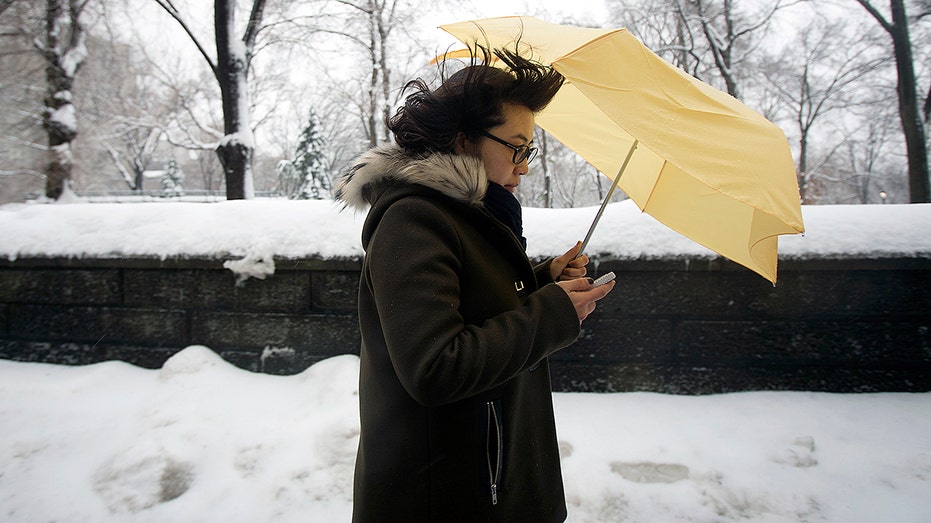
Weather forecasters are warning that a major winter storm is expected to impact large portions of the United States starting Friday. Forecasts call for snow, freezing rain and ice stretching from Texas and the Southern Plains through the Southeast, Mid-Atlantic and into the Northeast. This system is concerning because it combines ice accumulation, gusty winds and plunging temperatures. In many regions, especially across the South and parts of the Mid-Atlantic, infrastructure is not designed to handle prolonged ice events.
That increases the risk of extended power outages and disrupted cell service. When the grid goes down, everyday tech becomes critical. Phones, alerts, vehicles and apps may be your only connection to updates and emergency help. Preparing now matters far more than reacting later.
Sign up for my FREE CyberGuy Report
Get my best tech tips, urgent security alerts and exclusive deals delivered straight to your inbox. Plus, you'll get instant access to my Ultimate Scam Survival Guide – free when you join my CYBERGUY.COM newsletter.
RUSSIAN WINTER STRIKE LEAVES NEARLY 800K HOMES WITHOUT POWER AND HEAT IN UKRAINE’S DNIPRO REGION
Ice storms cause more damage than most people expect. Unlike snow, ice sticks to everything and adds significant weight. Ice builds up on trees and power lines, causing branches to snap and lines to fall. Utility crews often cannot begin repairs until conditions improve, which delays restoration. Forecasters at Fox Weather warn that freezing rain across the South and interior Southeast could be particularly damaging, while snow and wind farther north may slow emergency response.
Even if cell towers remain standing, networks often overload during severe weather. When thousands of people try to call at once, connections fail. Texts and alerts usually have a better chance of getting through. That is why you should assume you may be offline longer than expected.
These steps are simple, but timing matters. Do them before the weather conditions worsen.
A fully charged phone, smart power settings and a reliable portable charger can keep you connected early in an outage while longer-term home power solutions carry you through the days ahead.
Clear expectations reduce panic and unnecessary phone use.
Emergency alerts can reach your phone even when apps and social media cannot. They are designed to cut through network congestion and deliver critical warnings.
US POWER CRUNCH LOOMS AS OKLO CEO SAYS GRID CAN’T KEEP UP WITHOUT NEW INVESTMENT
Settings may vary depending on your Android phone’s manufacturer
On some phones, you may also see options for Public safety messages or Emergency alerts, which should be turned on. These alerts may include evacuation notices, shelter updates and severe weather warnings.
Both iPhone and Android let you preview alert sounds and settings in these menus, so take a moment to test them now and make sure alerts are loud enough before severe weather hits.
If you need help during a winter storm, Emergency SOS can contact emergency services even when you cannot unlock your phone or make a normal call. Set this up now. Do not wait until you are stressed, cold or without power.
To activate Emergency SOS during an emergency, press and hold the side button and a volume button, or quickly press the side button five times, depending on your settings.
Settings may vary depending on your Android phone’s manufacturer
On many Android phones, pressing the power button five times will trigger Emergency SOS. Emergency SOS can call for help, share your location and alert emergency contacts when conditions are dangerous.
If cell towers go down during this storm, features like Emergency SOS can still help you reach emergency services. Our guide explains in more detail how these lifesaving settings work.
The right apps can deliver critical updates when power is out, cell networks are strained and social media is unreliable. Install and set these up before the storm arrives.
Using more than one weather app can give you redundancy if one service is delayed or overloaded.
These apps can confirm outages, provide restoration updates and reduce unnecessary calls to utilities when systems are overwhelmed.
Your vehicle may become a critical resource during extended outages.
Severe weather creates ideal conditions for scams. Power outages, delayed responses and anxiety make people more likely to trust messages that appear urgent or official.
Scammers often impersonate electric, gas or water utilities.
What to know: Utilities do not charge fees to restore power and do not demand payment by text, gift cards or apps.
These scams spike right after storms hit.
What to know: Legitimate aid is announced through official government or well-known nonprofit channels, not unsolicited messages.
Storms disrupt normal services, which scammers exploit.
What to know: Do not click links or pay deposits without verifying the company independently.
Storm chaos makes it easier for attackers to slip through unnoticed.
What to know: Never share one-time codes or login details, even if the message looks legitimate.
Taking a few precautions now can help you avoid costly mistakes when outages, delays, and scam messages start piling up.
Scammers rely on panic. If a message pressures you to act fast, stop and verify it through a trusted source.
Go directly to official websites or apps instead of tapping links in texts or emails. Keep your operating system up to date and use strong antivirus software to block malicious links and fake websites.
The best way to safeguard yourself from malicious links that install malware, potentially accessing your private information, is to have strong antivirus software installed on all your devices. This protection can also alert you to phishing emails and ransomware scams, keeping your personal information and digital assets safe.
Get my picks for the best 2026 antivirus protection winners for your Windows, Mac, Android and iOS devices at Cyberguy.com.
Enable two-factor authentication (2FA) on email, banking, and utility accounts so stolen passwords cannot be used alone.
Many storm scams work because criminals already have your phone number, address or email. Using a data removal service to opt out of data broker sites can reduce how easily scammers target you during emergencies.
While no service can guarantee the complete removal of your data from the internet, a data removal service is really a smart choice. They aren't cheap, and neither is your privacy. These services do all the work for you by actively monitoring and systematically erasing your personal information from hundreds of websites. It's what gives me peace of mind and has proven to be the most effective way to erase your personal data from the internet. By limiting the information available, you reduce the risk of scammers cross-referencing data from breaches with information they might find on the dark web, making it harder for them to target you.
Check out my top picks for data removal services and get a free scan to find out if your personal information is already out on the web by visiting Cyberguy.com.
Get a free scan to find out if your personal information is already out on the web: Cyberguy.com.
Utilities and government agencies do not charge fees to restore service or release emergency assistance.
When power and internet access are limited, it is harder to verify messages quickly. That makes preparation just as important as awareness. A little skepticism now can prevent financial loss and identity theft when help is hardest to reach.
Think your devices and data are truly protected? Take this quick quiz to see where your digital habits stand. From passwords to Wi-Fi settings, you’ll get a personalized breakdown of what you’re doing right and what needs improvement. Take my Quiz here: Cyberguy.com.
Winter storms can turn small tech decisions into critical ones. Ice, power outages and overloaded cell networks can leave people cut off faster than expected, especially in regions not built for prolonged winter weather. Preparing your devices, alerts, vehicles and accounts ahead of time gives you more control when conditions worsen. It also reduces panic and limits your exposure to scams that thrive during emergencies. A little planning now can make a big difference when help is harder to reach.
Have you taken steps to prepare your tech for this winter storm, or did this checklist highlight something you still need to do? Let us know by writing to us at Cyberguy.com.
Sign up for my FREE CyberGuy Report
Get my best tech tips, urgent security alerts and exclusive deals delivered straight to your inbox. Plus, you’ll get instant access to my Ultimate Scam Survival Guide – free when you join my CYBERGUY.COM newsletter.
Copyright 2026 CyberGuy.com. All rights reserved.










 English (US)